GFRP Rebar About
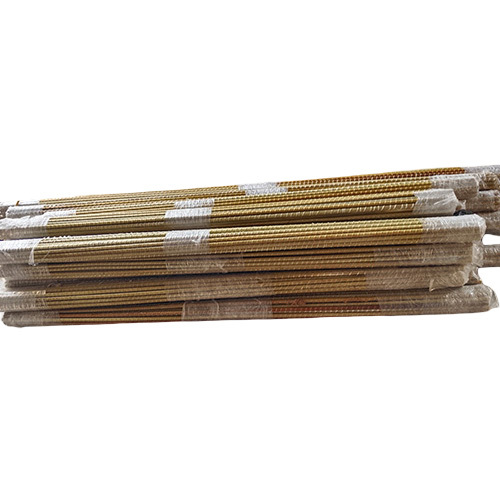
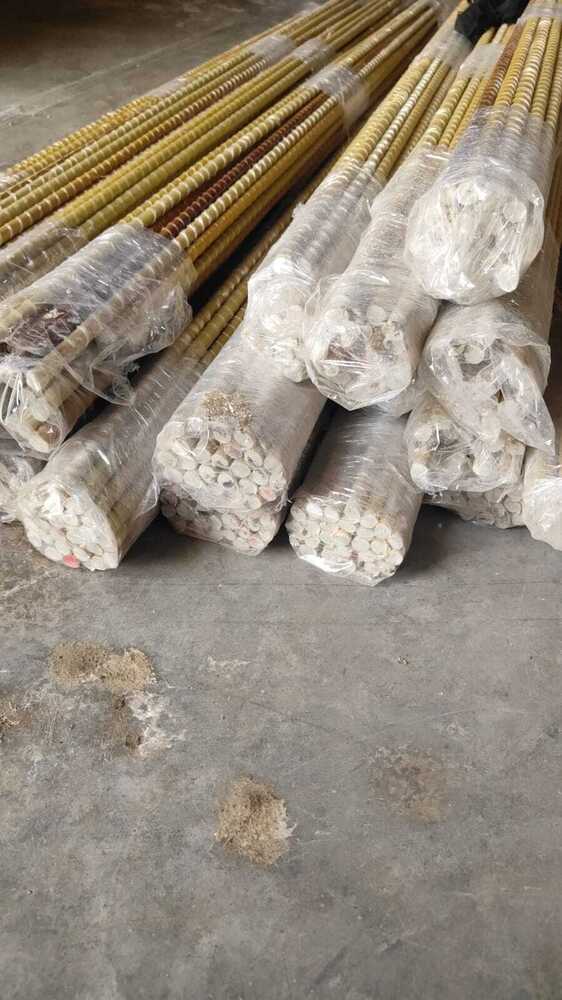
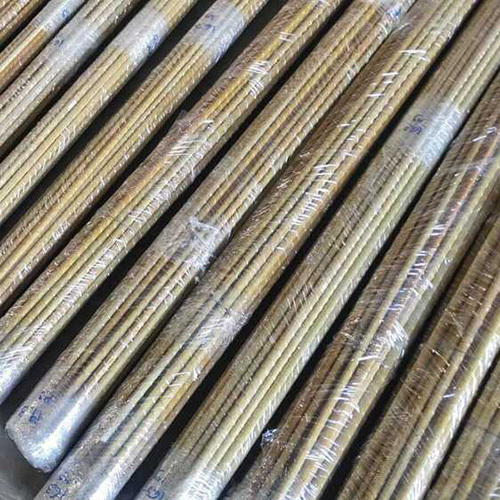
Spotlight your projects with our matchless GFRP Rebar - a grandiose advancement in reinforcing technology. Made from high-grade glass fiber and polymer resin, this valorous rebar offers a superior bond, exceptional corrosion resistance, and a density nearly one-fourth of steel. Its non-conductive nature makes it ideal for sensitive environments, while a service life exceeding 100 years ensures enduring durability. Personalise diameters and lengths for every need, and redeem the eco-friendly benefits of a recyclable product that reduces your carbon footprint. Perfect for bridges, tunnels, and marine structures.
GFRP Rebar: Application Media, Advantages, and Usage
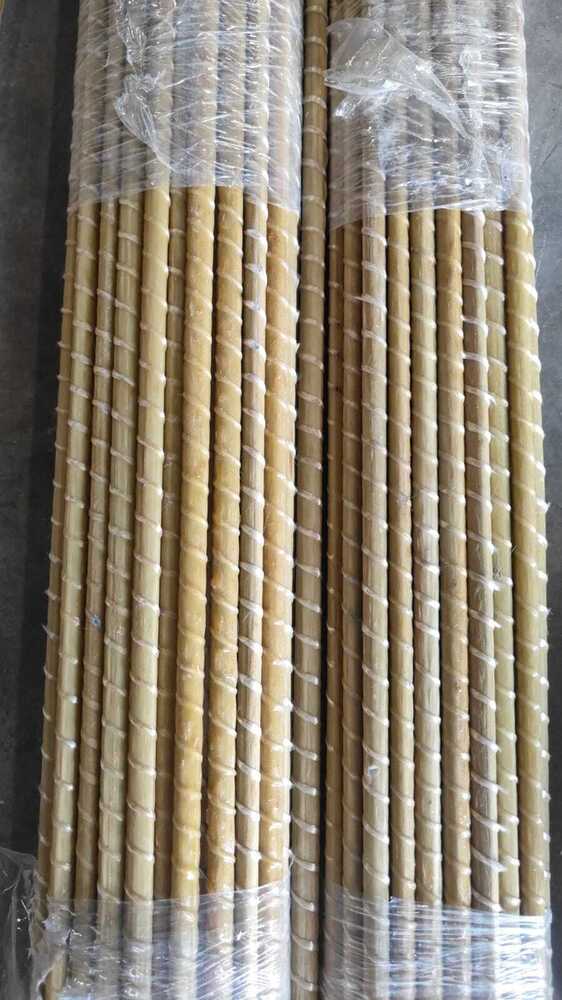
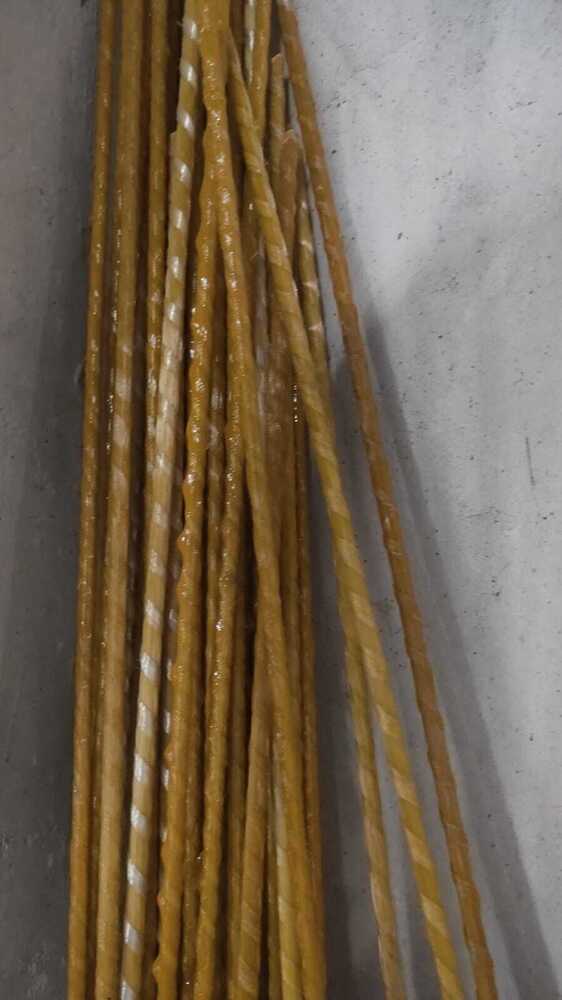
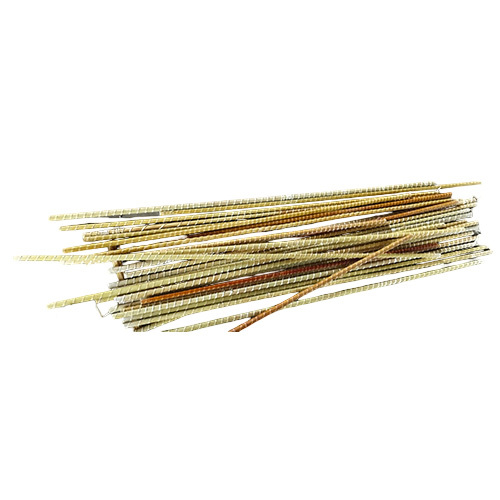
GFRP Rebar excels in hostile environments like marine structures, bridges, tunnels, and highways. Its non-corrosive and alkali-resistant properties render it perfect for foundations and retaining walls where durability is paramount. The ribbed, deformed surface achieves superior bonding, while its light weight facilitates easy handling and placement. Used as a matchless replacement for traditional steel rebar, GFRP rebar delivers high tensile strength and longevity, making it an indispensable choice for demanding infrastructure and construction projects.
GFRP Rebar: Export Markets, Sample Policy & Delivery
Our GFRP Rebar is successfully handed over to major markets across Asia, Africa, and the Middle East, elevating global infrastructure standards. Deliveries are scheduled and executed promptly, ensuring project drop-off times are reliable and efficient. Samples are provided as per robust client requirements, with a clear, customer-friendly sample policy. Typically, most orders are delivered within 2-4 weeks from confirmation, ensuring world-class quality and timeliness are always redeemed when you choose us as your trusted supplier.
FAQ's of GFRP Rebar:
Q: How does GFRP Rebar differ from conventional steel rebar in terms of performance?
A: GFRP Rebar provides superior bond strength, significantly higher corrosion resistance, and is non-conductive, making it ideal for environments where steel rebar would corrode or conduct electricity.
Q: What are the main application areas for GFRP Rebar?
A: GFRP Rebar is extensively used in bridges, tunnels, highways, marine structures, retaining walls, and foundations-particularly where exposure to corrosive agents or sensitive electrical environments is expected.
Q: Where can GFRP Rebar be installed and how is the process executed?
A: Installation of GFRP Rebar can be performed manually, similar to traditional steel rebar, using standard cutting and tying tools. It fits a wide range of forms and placements due to customizable lengths and diameters.
Q: When should I consider using GFRP Rebar instead of traditional steel rebar?
A: GFRP Rebar is most beneficial in corrosive, marine, or alkali-rich environments, or when non-magnetic and non-conductive properties are required for sensitive installations.
Q: What benefits does using GFRP Rebar bring to sustainable construction?
A: Using GFRP Rebar reduces the carbon footprint, provides a recyclable alternative, and offers extended service life, thus lowering replacement and maintenance costs over time.




 Send Inquiry
 Send Inquiry

